
Welcome To The Club!
Access Anytime, Anywhere
The resources below are for use by neurodivergent individuals for self-exploration and growth as well as by therapists seeking to get a complex understanding of neurodiversity and resources to use with their clients. The content provided does not constitute therapy, so please enjoy and benefit from these valuable resources, but do reach out for help if you need it.
All digital content is available on your schedule — no deadlines, no pressure.
I’d love to here from you! Request specific resources, give feedback, share success stories, just say hi. I’m here for it.
ADHD Guided Journal

Calling all ADHD-ers!
Perhaps this ADHD journal works for you? This journal is aimed at the 3 main foes of the ADHD-er: Addiction (or addictive behaviour), Self-worth, and Getting sh*t done!
Feel free to print it, save it to your phone, use it however it best services your process.
Just click the picture of the diary and off you go!
Unmasking Worksheet 2

This week’s resource is a handy worksheet for further exploring your unmasking process through guided questioning and reflection. You can use this personally or with your therapy clients for inter-session work.
Jobs for Neurodivergent People

Jobs are a real tricky issue for ND people, be it autistic or ADHD. However, we can absolutely flourish in a huge variety of jobs, many of which with very low barriers to entry and many with very good earning potential. This resource is a great place to start exploring if you are on this journey.
Exploring Assessment

Considering seeking an assessment for ADHD and/or Autism?
If you are considering exploring the possibility of an assessment for any neurodivergence, it is worth looking at what that might mean for you and why you would like to be formally assessed. These guided journalling prompts are aimed at helping you make an informed decision as to whether or not this is the right path for you.
10 Days To Authenticity

In this resource I have looked back at my own personal experience and the things which I have integrated into my own life which previously felt really huge but, with time, have become second nature. These 10 daily challenges are aimed at starting the process of living authentically and growing moments of daily contentment and happiness.
Guided Journalling Prompts for People-Pleasers

People-pleasing, or fawning, the 4th trauma response. Most of us know this reaction and struggle with it to some extent. I have gathered guided journalling prompts which I have written over time for my clients and put them in themed categories. These apply quite broadly for use with your clients or for yourself.
ADHD Task Initiation Hacks
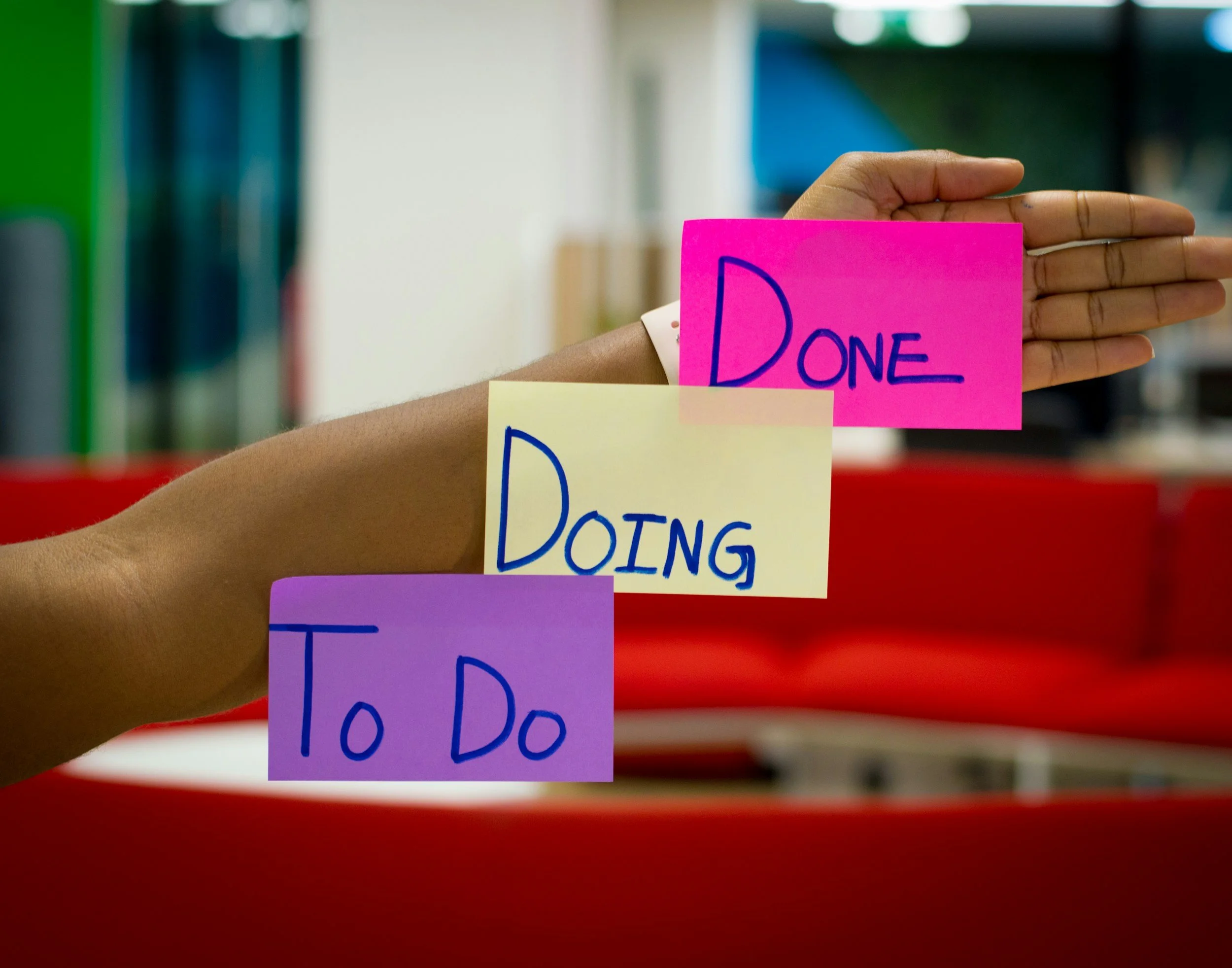
In this resource we are looking at some effective hacks on how to avoid the problems of task initiation - a classic but infuriating part of the ADHD brain. These hacks are easily applicable and can be given to therapy clients easily with little difficulty in comprehension.
Practical Exercises

This resource contains 2 practical tools which can be used with clients to tackle very common difficulties in the autistic experience - voicing and naming your sources of discomfort and spotting patterns in your emotions and energy in order to maintain your overall wellbeing.
This resource also references the Valence Arousal Model, so for those who haven’t seen this resource, I have linked that here.
Anxiety and Autism

Anxiety and Autism go hand in hand, unfortunately.
This resource looks at why this is, which factors make autistic anxiety different and where our anxious thinking patterns come from. To finish, there is a practical exercise which is perfect both for individual use on yourself as well as for with therapy clients.
Shame After Diagnosis

Shame after diagnosis is very common, and quite a complex issue. Balancing our true selves with the pressure of the outside world to find an authentic version of ourselves which feels good and sustainable is no small task. This resource explores the issue a little deeper and includes some reflective writing prompts as well as notes for therapists.
Autism and Gender Identity in the Therapy Room

Gender identity is a larger part of the autistic experience than the in the neurotypical typical community. This resource is a reflection both on how these two things interact for the ND individual, but also how this might be considered in the therapy room. Establishing an understanding of how this topic should be dealt with in therapy is vital for therapist and client.
Getting work done &
Creating Neurodivergent Spaces

This resource is both for therapists and for neurodivergent people. In this resource we look at how neurodivergent people can set up a workspace that works for them. We also look at what is needed for therapists setting up a therapy room for neurodivergent clients.
As a little bonus, we have a second resource of purchases you can make, all under £100, with the vast majority significantly under that. If you are employed of self-employed and can’t afford them, they can be included in an Access to Work funding application.
Uneven Identification in AuDHD

Many AuDHD-ers experience the pull between the two neurotypes. In this resource, I explain a little about how this is experienced, what it looks like In practise, as well as some of the common thought patterns around the internal debate. I wrap up with some reflective prompts which are useful for those going through or accompanying someone though this process of finding peace between the two sides.
“Sorry I didn’t reply sooner!”
Communication breakdown
Sometimes texting back feels like an impossible task. In this resource we look at why and consider a couple of simple, easy-to-apply tips for hacking your resistance to replying.
Parenting Neurodivergent kids

Parenting can be a challenge on even the best of days. This resource speaks to some of the most common issues experienced by parents of neurodivergent kids. This guidance is helpful for the neurodivergent and the neurotypical parents we explain some elements and explore those hard to accept bits with which so many parents struggle.
ADHD, Dopamine, and Love

Love is a tricky thing for everyone, but ADHD-ers can have extra challenges to contend with in their search for The One. In this resource we take a look at how Dopamine can play into love and how it can create confusion and pain if not acknowledged and understood. It can absolutely be managed, but delicacy and compassion are required.
For therapists, this resource provides a valuable insight into ADHD love styles, and for the ADHD-ers here, there are also guided journalling prompts to explore your own experience.
Mini Essay
Reflections of Atttitudes to ADHD

This is a reflection on public attitudes towards ADHD, based on my clinical work and personal life. There is a lot of logic missing in public discourse, a lack of understanding, and a definite focus on assessment and diagnosis rather than cost-effective ways in which the neurospicy among us can work and live a life designed for them while also meeting life’s broader needs around work.
Money and Budgets
For the Neurodivergent

If only money weren’t an issue! Unfortunately, neurodivergent people tend to have higher levels of need for services and items to simply get through life without great difficulty and are more likely to be unemployed or underemployed. This leaves us with a tricky task - how and where to spend our money in a way that best serves our needs.
This PDF includes an introduction to reframing your thinking around money and reflective writing prompts.
The Therapists’ user notes PDF to accompany this resource can be found HERE.
Family Boundaries

Family’s can be complex and our needs can often go unmet or unnoticed.
This PDF resource gives you an introduction to what boundaries are, the consequences for overstepping them and guides you through creating your own boundaries for family members.
With real-life examples, you can start to identify where you are being disrespected, taken advantage of, insulted and start to work on this in a positive, non-aggressive way.
Survival Kit

An essential tool for the neurodivergent individual, a survival kit to help in a meltdown or general overwhelm and dysregulation can be extremely helpful. As a therapist, I have introduced this to many clients and worked collaboratively with them to create an effective survival kit.
This PDF resource is a great introduction for you as a neurodivergent individual or as a therapist working with clients who regularly experience overwhelm and the resulting emotional outbursts, exhaustion, and difficulty with focus.

Accessing Work

Accessing work can be a challenge at the best of times. You are not alone! Take a loot at this introduction to making work accessible to find out what help is available.
Pennebaker Journalling
Method

The Pennebaker Journalling method has been established as an effective and especially beneficial way of journalling. Encouraging the writer to bring down the common barriers to the free flow of thought, and also encouraging sustained engagement with the activity over a short time, this is a great way into journalling for the individual looking to explore themselves, and also as a tool for therapists to use especially for neurodivergent (though also neurotypical) clients for thought clarification and consolidation.
The Ultimate List of Stimming!

Everyone stims…but some a lot more than others. Here is your introduction to stimming, how it looks, how to make it your best friend, and how stimming can help therapists in the therapy room.
Life Narratives

We all have long-held beliefs about ourselves, many are even forced upon us. As neurodivergent people, it is easy to have had your life narratives drift so far away from the truth that you hardly recognise yourself. Taking back control of your life narrative can change everything
Find out more with this new resource.
Valence Arousal model and Alexithymia- Get to know your emotions!

Forget emotion colour wheels. The Valence Arousal model helps those who struggle to identify their emotions to finally connect with them. This PDF will help you understand your emotions and sets this tool up for use in the therapy room if you find your clients struggle here.
Transactional Analysis for the Neurospicy (and their therapists)

Transactional analysis (TA) is present in all of our relationships. This PDF will help you understand your relationships, develop healthier patterns of relating, take responsibility for your own growth, and begin framing this classic piece of theory through a neurodivergent lens.
Reading List- The Best Autism/ADHD books
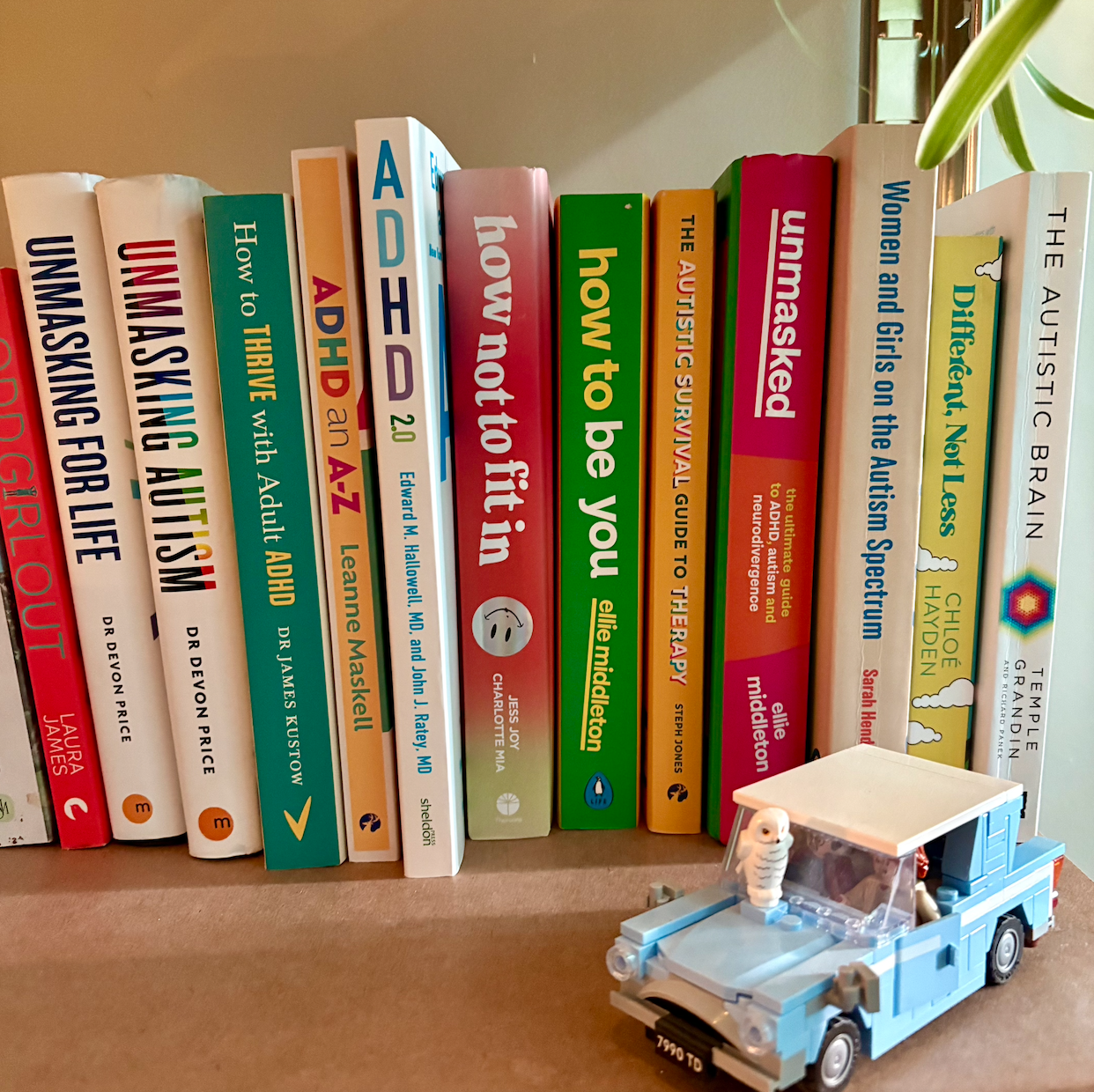
II have read just about every Autism/ADHD/AuDHD book on the market and have collected the best for you here, covering a variety of styles and requirements and all with a brief overview, so you can get a feel for the vibe and where to invest your time!
Guided Journalling Prompts on Life Narratives

Based on the introduction to life narratives for neurodivergent people, here you have a way of continuing your exploration by reflecting on your own life narratives and set the scene for fundamental change.
This is just one of the life narrative resources and more are always in the works, so keep your eyes out if this fascinating topic grabs you.
No, You Go First…

Reaching out to a therapist can be tricky, especially if it is the first time.
I’ve seen a lot of people unsure of what is expected of first contact and perhaps some considerations wouldn’t occur to client or therapist.
For the clients - if it is important to you, then it is not wrong to ask.
For the therapists - we neurospicy might need certain considerations which hadn’t entered your mind.
Take this template, add it to your therapy website for potential clients, or just take it for yourself to shape your first message to a new therapist!